
A good credit score in the USA is typically 670 or higher, but the real question is—is that enough, or should you aim for the best or highest credit score possible?
If you’ve been searching for what a good credit score is, you’ve probably seen different numbers like 700, 750, or even 800 being called “good” or “excellent.” This can get confusing fast. What is a good credit score in the USA? What is the best credit score you can have? And does having the highest credit score actually matter?
The truth is, not all “good” scores are equal—and understanding the difference between a good credit score, a best credit score, and the highest credit score can completely change how you manage your finances.
In this guide, we’ll break down the good credit score range in the USA, explain what score you actually need (not just the highest possible), and show you how to get a good credit score step by step. By the end, you’ll have a clear, no-confusion understanding of where you stand—and what to aim for next.
What Is a Good Credit Score?
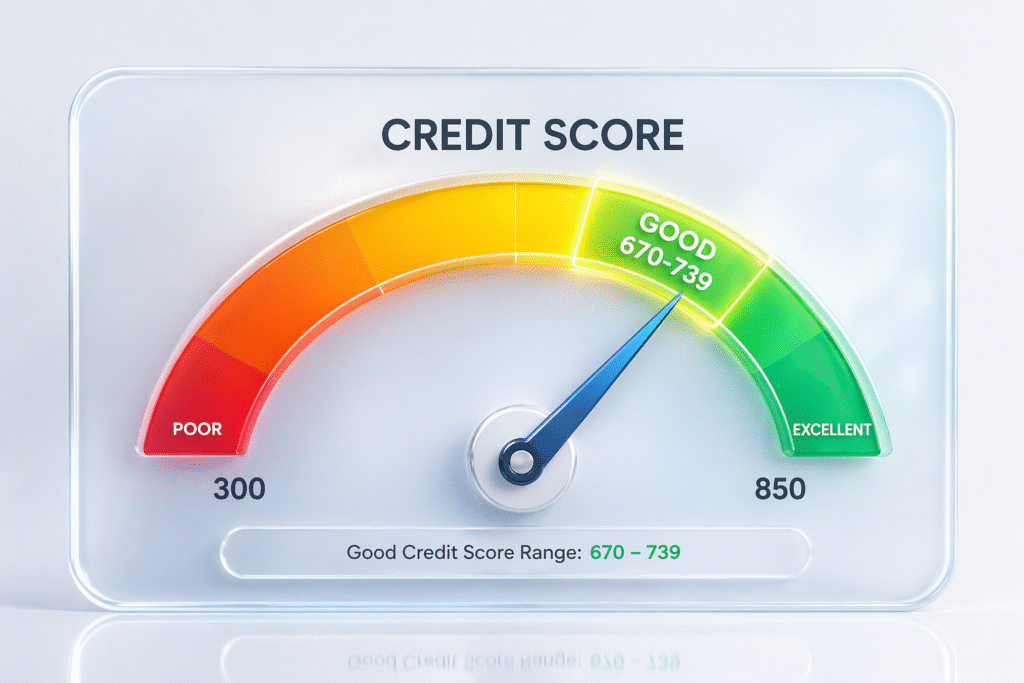
A good credit score in the USA is generally considered to be 670 or higher. This number falls within the “good” category of the standard credit score range (300–850) and indicates to lenders that you are a reliable borrower.
In simple terms, a good credit score means you’ve managed your credit responsibly—paying bills on time, keeping your credit usage under control, and maintaining a healthy credit history. Because of this, lenders are more likely to approve your applications for a credit card or loan and offer you better interest rates.
Good Credit Score Range Explained
To understand what is considered a good credit score, here’s how the full credit score range in the USA is typically divided:
- 300–579 → Poor
- 580–669 → Fair
- 670–739 → Good ✅
- 740–799 → Very Good
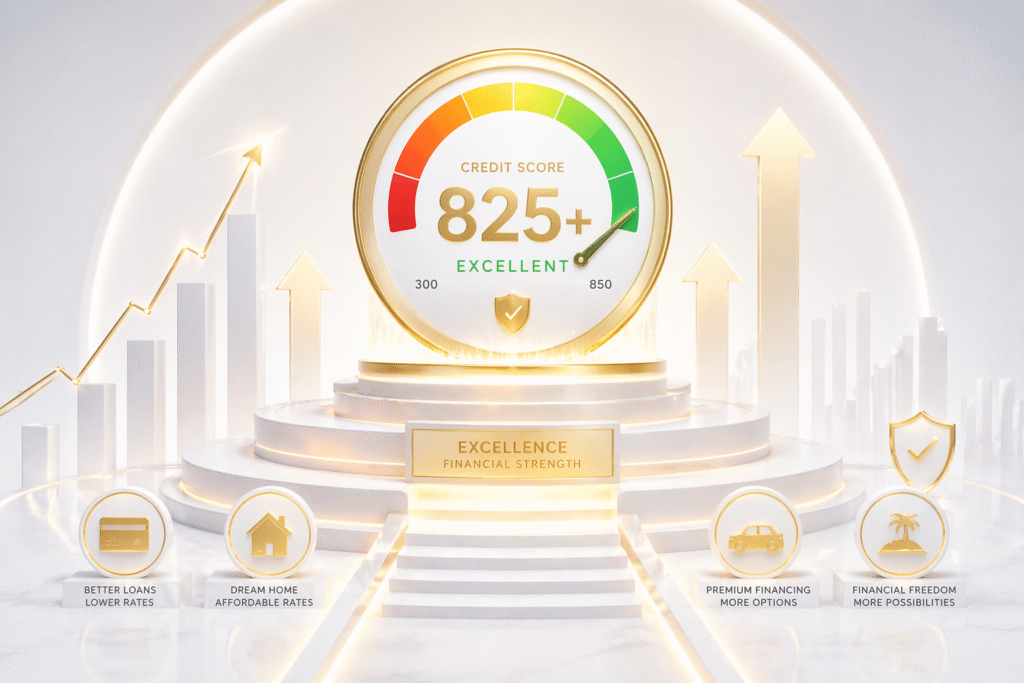
- 800–850 → Excellent (Highest Credit Score Range)
👉 So, a good credit score range starts at 670, but moving closer to 740 or higher puts you in an even stronger financial position.
Good vs Best vs Highest Credit Score
This is where most people get confused.
- A good credit score (670–739) is enough to qualify for most credit options
- A very good or excellent score (740–850) is often considered the best credit score range
- The highest credit score you can get is 850, but you don’t need a perfect score to access the best financial opportunities
👉 In reality, once your score is above 740, you’re already in a strong position with lenders.
What Is Considered a Good Credit Score in Real Life?
A good credit score isn’t just a number—it affects what you can actually do financially.
With a good credit score in the USA, you can typically:
- Get approved for most credit cards
- Qualify for loans with reasonable interest rates
- Access better financial opportunities compared to lower score ranges
However, if your goal is to get the best rates and premium offers, aiming for a higher score (740+) is ideal.
Credit Score Range in the USA
To fully understand what is a good credit score in the USA is, you first need to know how the entire credit score range works.
In the United States, credit scores typically range from 300 to 850. This range is used by lenders to evaluate your creditworthiness—in simple terms, how likely you are to repay borrowed money.
The higher your score, the more trustworthy you appear financially. This directly affects your chances of approval for loans, credit cards, and the interest rates you’ll receive.
Full Credit Score Range Breakdown
| Score Range | Category | Meaning |
|---|---|---|
| 300–579 | Poor | High risk |
| 580–669 | Fair | Limited options |
| 670–739 | Good | Reliable |
| 740–799 | Very Good | Strong |
| 800–850 | Excellent | Best terms |
🔴 300–579 → Poor Credit Score
- High risk for lenders
- Difficult to get approved for credit
- Higher interest rates
👉 This range often reflects missed payments or limited credit history.
🟠 580–669 → Fair Credit Score
- Below average
- Limited approval chances
- Moderate to high interest rates
👉 You may qualify for some credit options, but not the best terms.
🟡 670–739 → Good Credit Score ✅
- Considered a good credit score in the USA
- Higher approval chances
- Better interest rates
👉 This is the starting point of a good credit score range and a solid financial position.
🟢 740–799 → Very Good Credit Score
- Strong credit profile
- Lower interest rates
- Access to better financial products
👉 Often considered part of the best credit score range for most practical purposes.
🟣 800–850 → Excellent (Highest Credit Score Range)
- Top-tier credit
- Best loan terms and lowest interest rates
- Maximum financial advantages
👉 This is the highest credit score you can get, but you don’t need a perfect 850 to qualify for the best offers.
🧠 Good vs Best vs Highest Credit Score (Quick Clarity)
This is where most confusion happens.
- Good credit score (670–739) → Enough for most approvals
- Best credit score (740–799+) → Better rates and benefits
- Highest credit score (850) → Ideal, but not necessary
👉 In reality, once you’re above 740, you’re already in a strong position financially.
What Is the Best Credit Score You Can Have?
The best credit score you can have is typically considered to be 850, which is the highest credit score possible within the standard credit score range of 300 to 850 in the USA.
But here’s the important part most people don’t realize:
👉 You don’t need a perfect 850 to get the best financial benefits.
What Is the Highest Credit Score — And Does It Matter?
Yes, 850 is the highest credit score, but reaching it is rare and not necessary for most people.
In reality:
- A score above 740 is already considered part of the best credit score range
- Scores between 800–850 fall into the excellent or highest credit score category
👉 Lenders typically treat someone with a 760 score almost the same as someone with an 850 score.
Best Credit Score vs Good Credit Score
This is where the confusion usually happens.
- A good credit score (670–739) → Enough for most approvals
- A best credit score (740–799+) → Better interest rates and premium offers
- The highest credit score (850) → Ideal, but not required
👉 So while a good credit score gets you in the door, a higher score gives you better financial advantages.
What Is the Best Credit Score to Have (Realistically)?
If your goal is practical and achievable:
👉 Aim for a credit score between 740 and 800
This range is often considered the best credit score in the USA because it allows you to:
- Qualify for the lowest interest rates
- Get approved for premium credit cards
- Access the best loan terms
👉 Going beyond this range offers very little additional benefit.
Why You Shouldn’t Chase the Perfect Score
Trying to reach the highest credit score possible can sometimes lead to unnecessary stress or unrealistic expectations.
Instead of focusing on perfection:
- Focus on consistency
- Maintain healthy credit habits
- Stay within the good or excellent credit score range
👉 That’s what truly matters in the long run.
Is 700, 750 or 800 a Good Credit Score?
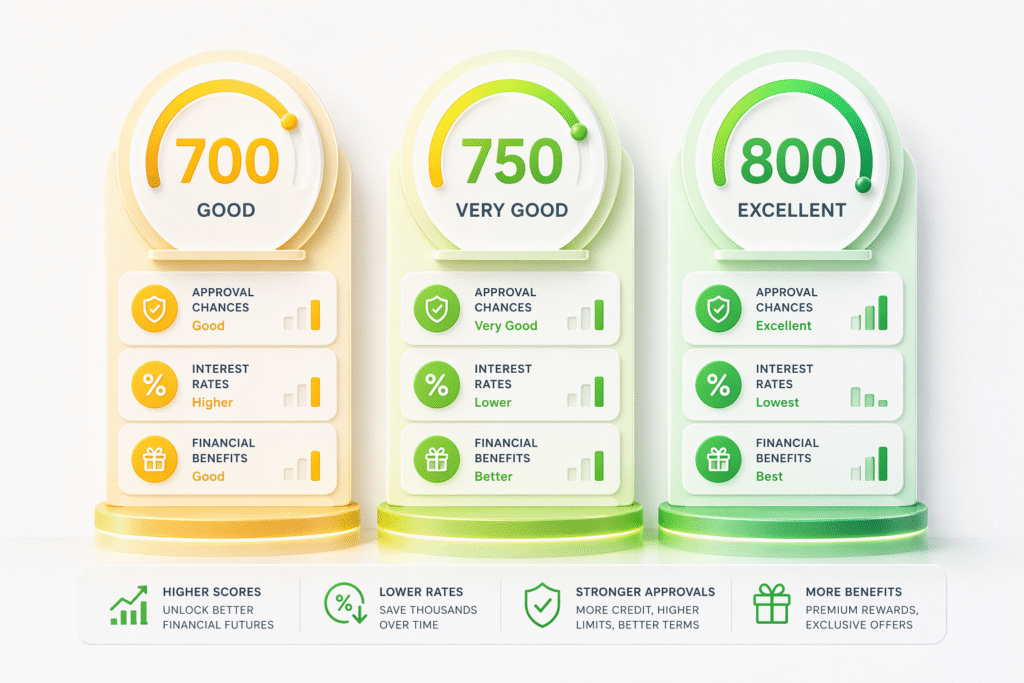
Yes — 700, 750, and 800 are all considered good or better credit scores in the USA, but they fall into different levels within the credit score range, and each offers different advantages.
Let’s break it down clearly so you know exactly where you stand.
Is 700 a Good Credit Score?
👉 Yes, 700 is a good credit score.
- Falls within the good credit score range (670–739)
- You can qualify for most credit cards and loans
- Interest rates are decent, but not the lowest
👉 This is a solid starting point, but there’s still room to improve.
Is 750 a Good Credit Score?
👉 Yes, 750 is considered a very good credit score.
- Falls in the very good / best credit score range (740–799)
- Higher approval chances
- Access to lower interest rates
👉 At this level, lenders see you as a low-risk borrower, and you start getting better financial deals.
Is 800 a Good Credit Score?
👉 Yes — 800 is an excellent credit score.
- Falls within the highest credit score range (800–850)
- Qualifies for the best loan terms and lowest interest rates
- Maximum financial flexibility
👉 This is close to the best credit score you can have, though not necessarily required.
700 vs 750 vs 800 — What’s the Real Difference?
| Score | Category | What It Means |
|---|---|---|
| 700 | Good | Approved for most credit, average rates |
| 750 | Very Good | Better rates, strong profile |
| 800 | Excellent | Best offers, lowest risk |
What Score Should You Aim For?
Instead of chasing the highest credit score, focus on this:
👉 740+ is the ideal target
Why?
- It’s part of the best credit score range
- It gives you access to top financial benefits
- Going from 750 to 850 doesn’t add much extra value
What Is the Average Credit Score in the USA?
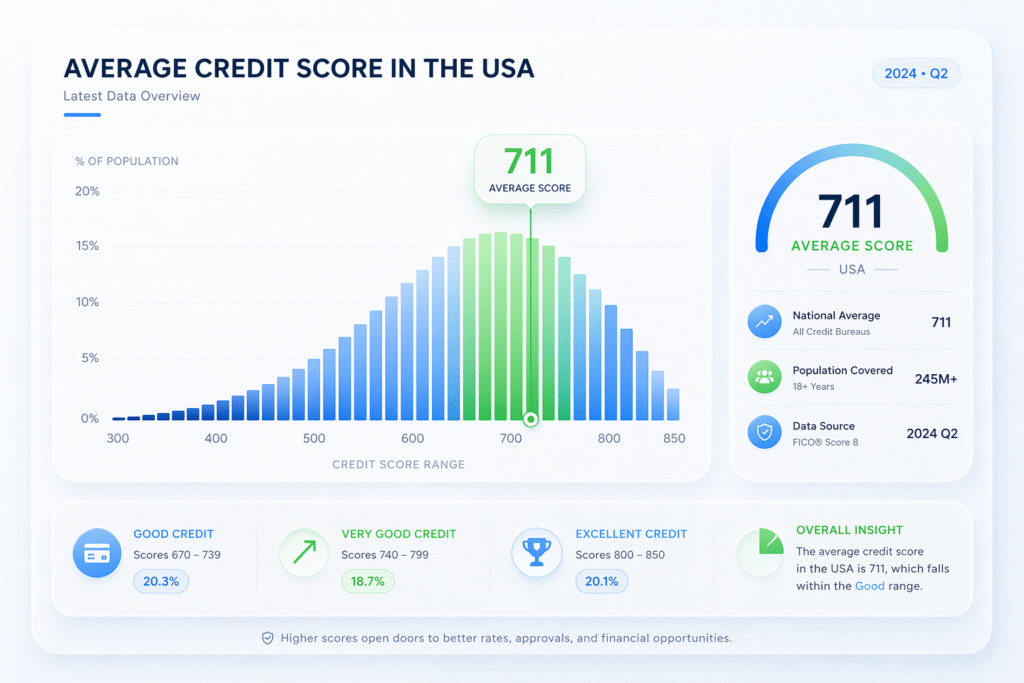
The average credit score in the USA is typically around 710–715, depending on the latest data from major credit bureaus. This means most people fall within the good credit score range (670–739).
At first glance, this might sound reassuring—but it also raises an important question:
👉 If the average is already in the “good” range, what does that mean for you?
What the Average Credit Score Really Means
The average credit score gives you a benchmark, not a goal.
- A score around 710 means you’re slightly above average
- A score below 670 puts you below the good credit score range
- A score above 740 places you in the best credit score range
👉 In other words, being “average” is good—but not necessarily optimal.
How You Compare to the Average
Here’s a simple way to understand where you stand:
- Below 670 → Below average (needs improvement)
- 670–739 → Around average (good position)
- 740+ → Above average (strong financial profile)
👉 If your score is already within or above the average range, you’re on the right track—but there’s still room to move toward a better or even the highest credit score range.
Why the Average Credit Score Isn’t the Best Target
Many people aim to “be average,” but when it comes to credit scores:
👉 Average is not the same as best
While an average score can get you approved for credit, it may not always qualify you for:
- The lowest interest rates
- Premium credit cards
- The best financial offers
👉 That’s why aiming for a score above 740 is often a smarter goal.
Why a Good Credit Score Matters
A good credit score in the USA is more than just a number—it directly affects your financial opportunities, the cost of borrowing, and even your day-to-day life. While many people focus on reaching a specific number, understanding why a good credit score matters is what truly helps you use it to your advantage.
Easier Approval for Credit Cards and Loans
Lenders use your credit score to decide whether to approve your application.
- A good credit score (670+) → Higher approval chances
- A low score → Higher risk of rejection
With a good credit score, you can more easily qualify for:
- Credit cards
- Personal loans
- Auto loans
- Mortgages
👉 This is your entry point into the financial system.
Lower Interest Rates (Save Thousands)
Your credit score directly impacts the interest rates you’re offered.
- Higher score → Lower interest rates
- Lower score → Higher borrowing costs
Even a small difference in your score can save you thousands of dollars over time, especially on large loans like a house or car.
👉 This is where moving from a good credit score to the best credit score range really pays off.
Access to Better Financial Products
A higher score unlocks better opportunities, such as:
- Premium credit cards
- Higher credit limits
- Better loan terms
👉 While a good credit score gets you approved, a score in the best or excellent range gives you access to top-tier benefits.
Renting an Apartment Becomes Easier
In the USA, many landlords perform a credit check before approving rental applications.
- Good score → Easier approval
- Low score → Higher deposits or rejection
👉 Your credit score can influence where you live—not just what you can borrow.
More Financial Flexibility and Security
A strong credit score gives you options.
- You can borrow when needed
- You get better terms
- You face fewer financial restrictions
👉 This flexibility becomes especially important during emergencies or major life decisions.
How to Get a Good Credit Score
If you’re aiming to reach a good credit score in the USA (670 or higher), the process is not complicated—but it does require consistency. Your credit score is built over time based on your financial habits, so the key is to focus on the actions that matter most.
Here are the most effective steps to help you build and maintain a good credit score:
Always Pay Your Bills on Time
Your payment history is the most important factor in your credit score.
👉 Make sure you pay:
- Credit card bills
- Loan payments
- Any other credit obligations
Even one missed payment can hurt your score, while consistent on-time payments help you move into the good credit score range faster.
Keep Your Credit Utilization Below 30%
Credit utilization means how much of your available credit you’re using.
Example:
- Credit limit = $1,000
- Keep usage below $300
👉 Lower utilization shows lenders that you manage credit responsibly, which helps you move toward the best credit score range.
Avoid Too Many Credit Applications
Every time you apply for a credit card or loan, a hard credit check is performed.
👉 Too many applications in a short time can lower your score.
Instead:
- Apply only when necessary
- Space out your applications
Keep Old Credit Accounts Open
The length of your credit history matters.
👉 Older accounts help:
- Increase your average account age
- Improve your credit profile
Even if you don’t use a credit card frequently, keeping it open can support your score.
Check Your Credit Score Regularly
It’s important to monitor your progress.
👉 When you check your credit score in the USA, you can:
- Track improvements
- Identify problems
- Stay in control
Remember, checking your own score is a soft credit check and does not affect it.
Fix Errors in Your Credit Report
Mistakes in your credit report can lower your score unnecessarily.
👉 Look for:
- Incorrect account details
- Wrong payment history
- Unauthorized accounts
Fixing these errors can quickly improve your position within the credit score range.
Be Consistent — That’s the Real Secret
There’s no shortcut to getting the best credit score or reaching the highest credit score range.
👉 Focus on:
- Consistency
- Responsible credit use
- Long-term habits
Over time, these actions will naturally move you from a fair score to a good credit score, and eventually into the excellent range.
Common Misconceptions About Good Credit Scores
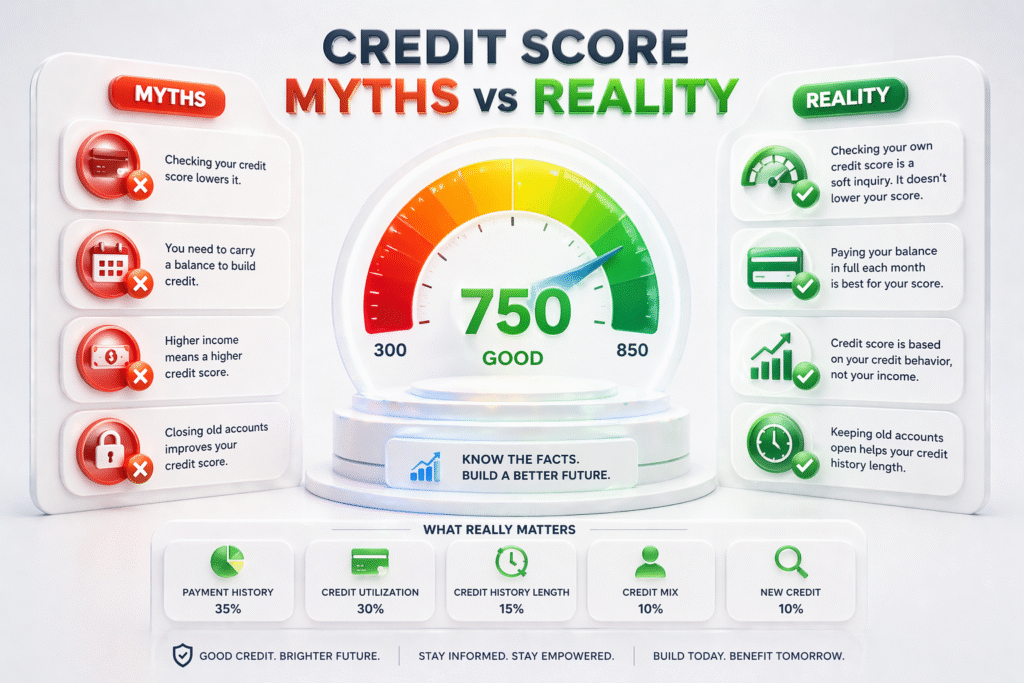
There’s a lot of confusion around what is a good credit score in the USA, and many people end up believing myths that can actually hurt their financial progress. Understanding the truth behind these misconceptions can help you make smarter decisions and move toward a good or even the best credit score more effectively.
Myth 1: A Good Credit Score Means a Perfect Score
❌ False
Many people think they need the highest credit score (850) to be considered financially strong.
👉 Reality:
- A good credit score starts at 670
- A score above 740 is already in the best credit score range
👉 You don’t need a perfect score to get the best financial benefits.
Myth 2: 700 Is the Best Credit Score
❌ Not exactly
While 700 is a good credit score, it’s not the highest or best possible.
👉 Reality:
- 700 = Good
- 740+ = Better
- 800+ = Excellent
👉 You can still improve beyond 700 to access better interest rates and offers.
Myth 3: Income Determines Your Credit Score
❌ False
Your income does not directly affect your credit score.
👉 Credit scores are based on:
- Payment history
- Credit utilization
- Credit behavior
👉 Even with a high income, poor credit habits can keep your score low.
Myth 4: Checking Your Credit Score Lowers It
❌ False
This is one of the most common fears.
👉 Reality:
- Checking your own score = soft credit check
- It does not affect your credit score
👉 Only hard inquiries (like applying for credit) may temporarily lower it.
Myth 5: You Need to Carry a Balance to Build Credit
❌ False
Some people believe keeping unpaid balances helps improve their score.
👉 Reality:
- Carrying a balance can increase your credit utilization
- This can actually hurt your score
👉 Paying your full balance on time is the best approach.
Myth 6: A Bad Credit Score Is Permanent
❌ False
Your credit score is not fixed—it changes over time.
👉 With the right habits, you can:
- Move from fair to a good credit score
- Eventually reach the best or highest credit score range
🧠 The Bottom Line
A good credit score in the USA is built on facts, not myths. By focusing on the right strategies and avoiding common misconceptions, you can improve your score confidently and work toward better financial opportunities.
Leave a Reply